Defense Manufacturing
Heat Treating For Defense Manufacturing
In the critical world of defense manufacturing, Southwest Metal Treating offers over 40 years of unmatched expertise and cutting-edge technology. As an ITAR-registered and NADCAP-accredited provider, we are trusted to handle sensitive defense components with the highest levels of compliance, precision, and care. Our dedication to quality ensures that your components meet the stringent standards of the defense industry, delivering unparalleled reliability and performance. Operating in the strategic Dallas–Fort Worth, TX area, we support the defense sector with innovative metal treatment solutions that enhance operational excellence.


NADCAP and ITAR-Certified Defense Manufacturing Heat Treating Services
Our specialized metal treating services are engineered to meet the demanding requirements of defense manufacturing. From armored vehicle components to weapons systems and munitions hardware, we deliver the precision, consistency, and traceability that defense contractors and prime manufacturers require. As both a NADCAP-certified and ITAR-registered facility, we are fully equipped to handle controlled defense articles and technical data in strict accordance with U.S. export control regulations.
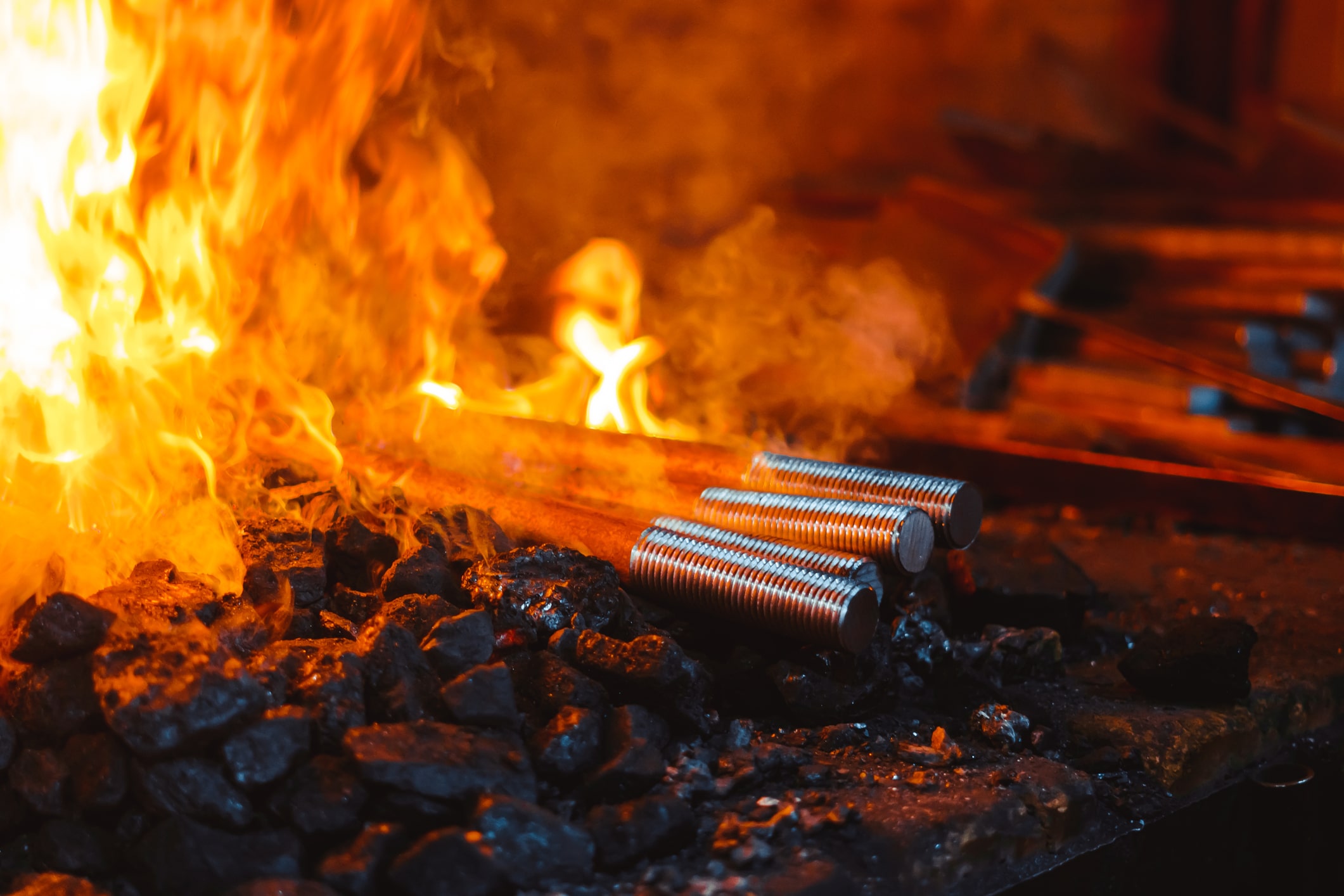
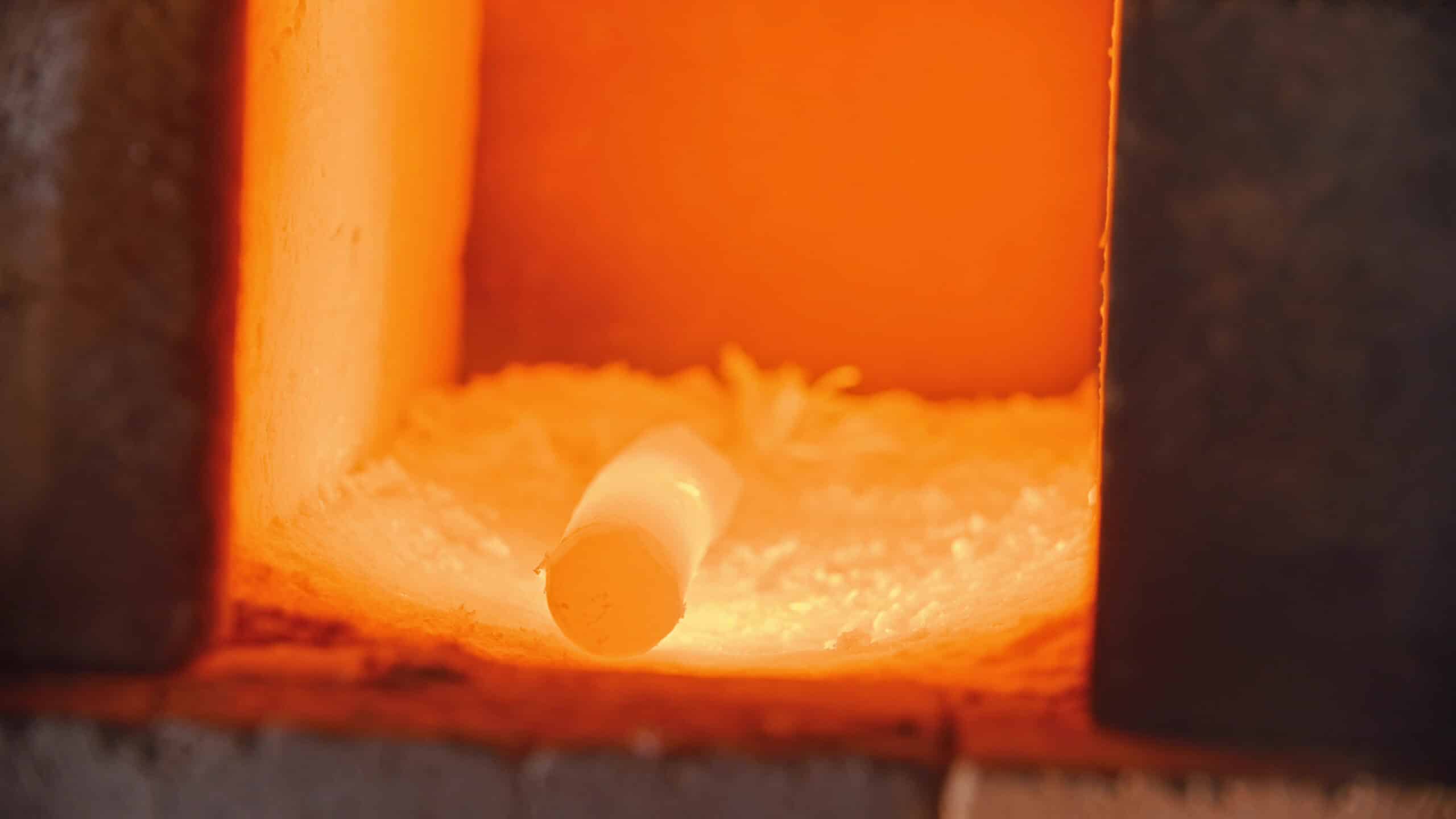
- Advanced Heat Treating: Using industry-leading furnace technology, we deliver NADCAP-certified heat treating solutions that enhance the strength, toughness, and structural integrity of defense components. Whether you're working with high-strength steel, tool steel, or specialty alloys used in weapons systems, armored platforms, or tactical equipment, our ITAR-registered facility ensures your controlled components are handled with the security and compliance protocols required by U.S. defense manufacturing standards.
- Vacuum Heat Treating: Our vacuum heat treating process is performed in a controlled, oxygen-free environment that eliminates surface contamination and delivers consistent mechanical properties across complex defense parts. This process is especially well-suited for firearm components, missile hardware, and precision-machined defense assemblies where metallurgical integrity and ITAR-compliant handling cannot be compromised.
- Case Hardening and Surface Hardening: We provide carburizing, nitriding, and carbonitriding services that dramatically increase surface hardness and wear resistance on defense components subject to high-friction and high-impact loads. These processes are widely used on gear systems, drive components, small arms parts, and ground vehicle hardware, all processed within our ITAR-registered facility under strict access and documentation controls.
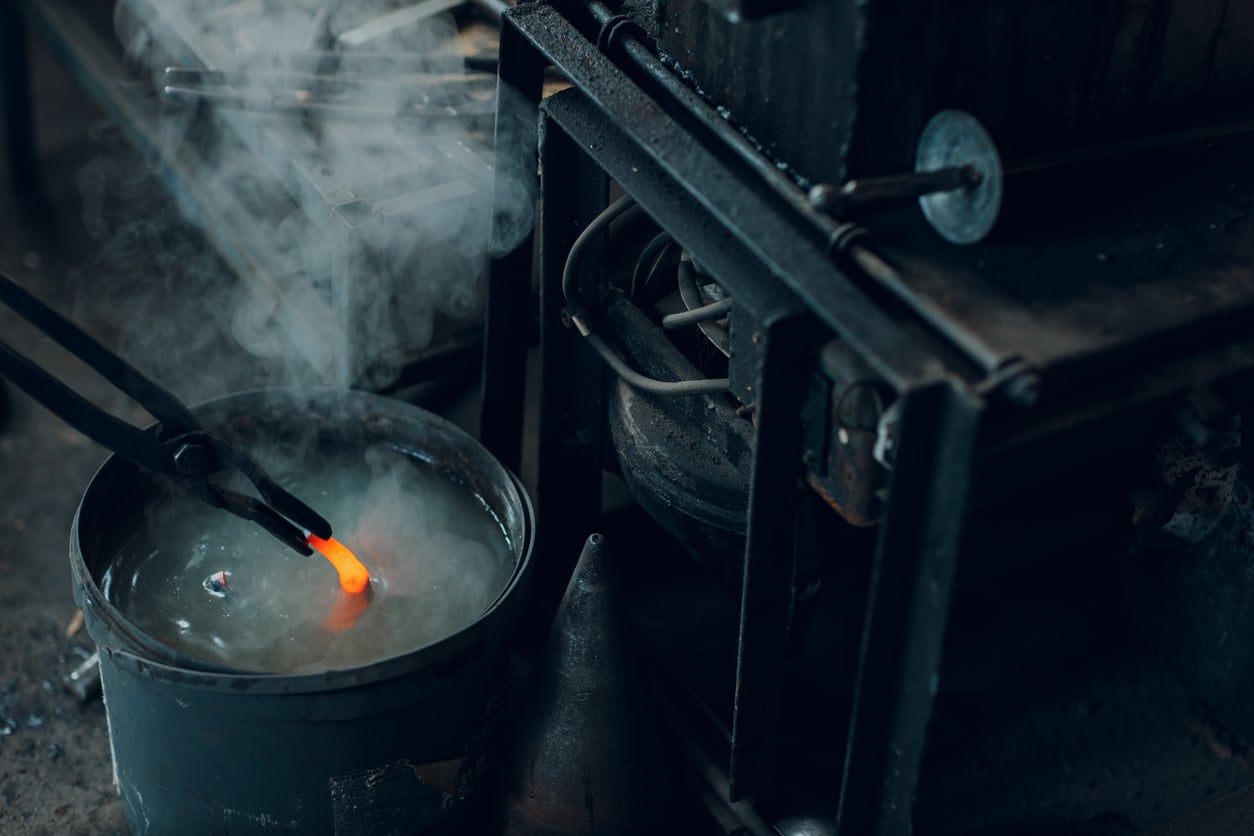
- Defense-Grade Metal Finishing: Our metal finishing services are performed in full compliance with military specifications, applicable industry standards, and ITAR requirements governing the treatment of defense articles. We treat components used across ground, air, and naval defense platforms, delivering surfaces that resist corrosion, reduce wear, and meet the exacting finish and compliance requirements demanded by defense prime contractors and government procurement standards.
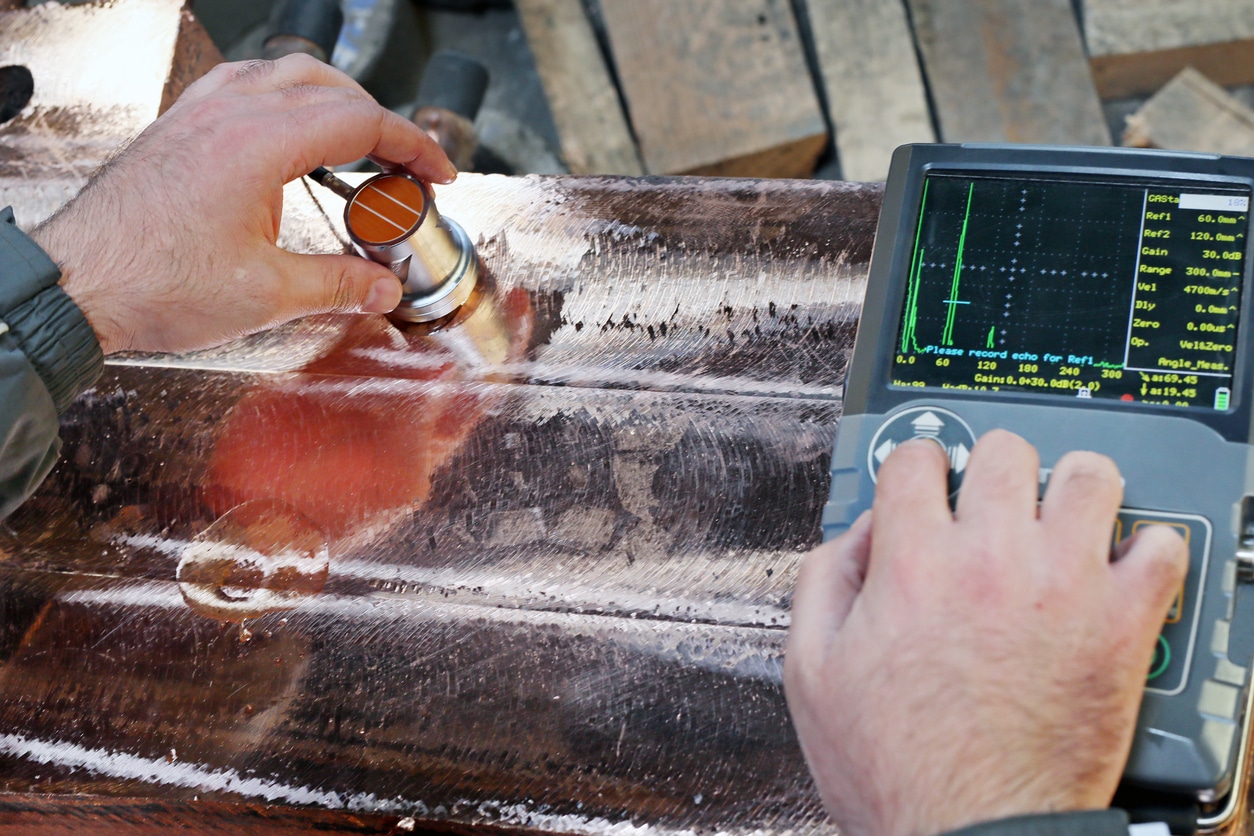
- Precision Cleaning and Material Testing: We use advanced cleaning technologies to remove processing residues and contaminants that could compromise the performance or reliability of treated defense parts. Our material testing services provide full metallurgical documentation to support first article inspection, PPAP requirements, and NADCAP audit compliance. As an ITAR-registered processor, we maintain the access controls, recordkeeping, and chain-of-custody documentation your quality and compliance teams need to satisfy AS9100, DCSA traceability, and U.S. export control obligations.
Common Defense Parts We Process
At Southwest Metal Treating, we work with a wide range of mission-critical components for defense contractors, prime manufacturers, and government programs. As a NADCAP-certified and ITAR-registered facility, our heat treating and metal finishing processes are built to meet the structural, performance, and compliance demands of today's most challenging defense applications.
- Weapons systems and munitions hardware
- Armored vehicle and ground combat system components
- Small arms, crew-served weapons, and firearm components
- Tactical missile systems and defense assemblies
- Naval and maritime defense hardware
- Military aircraft and rotorcraft structural components
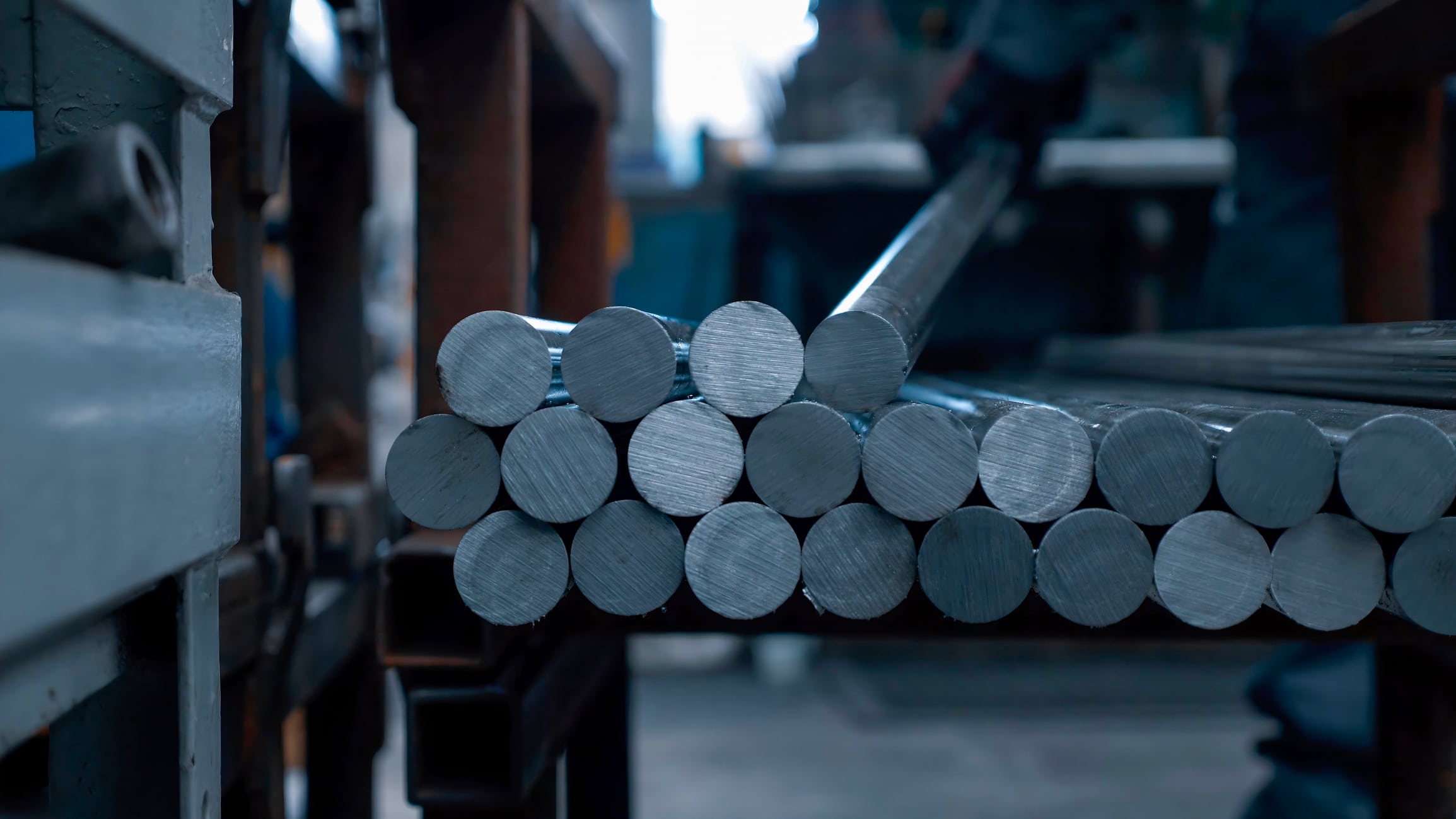
- High-strength and tool steel alloys
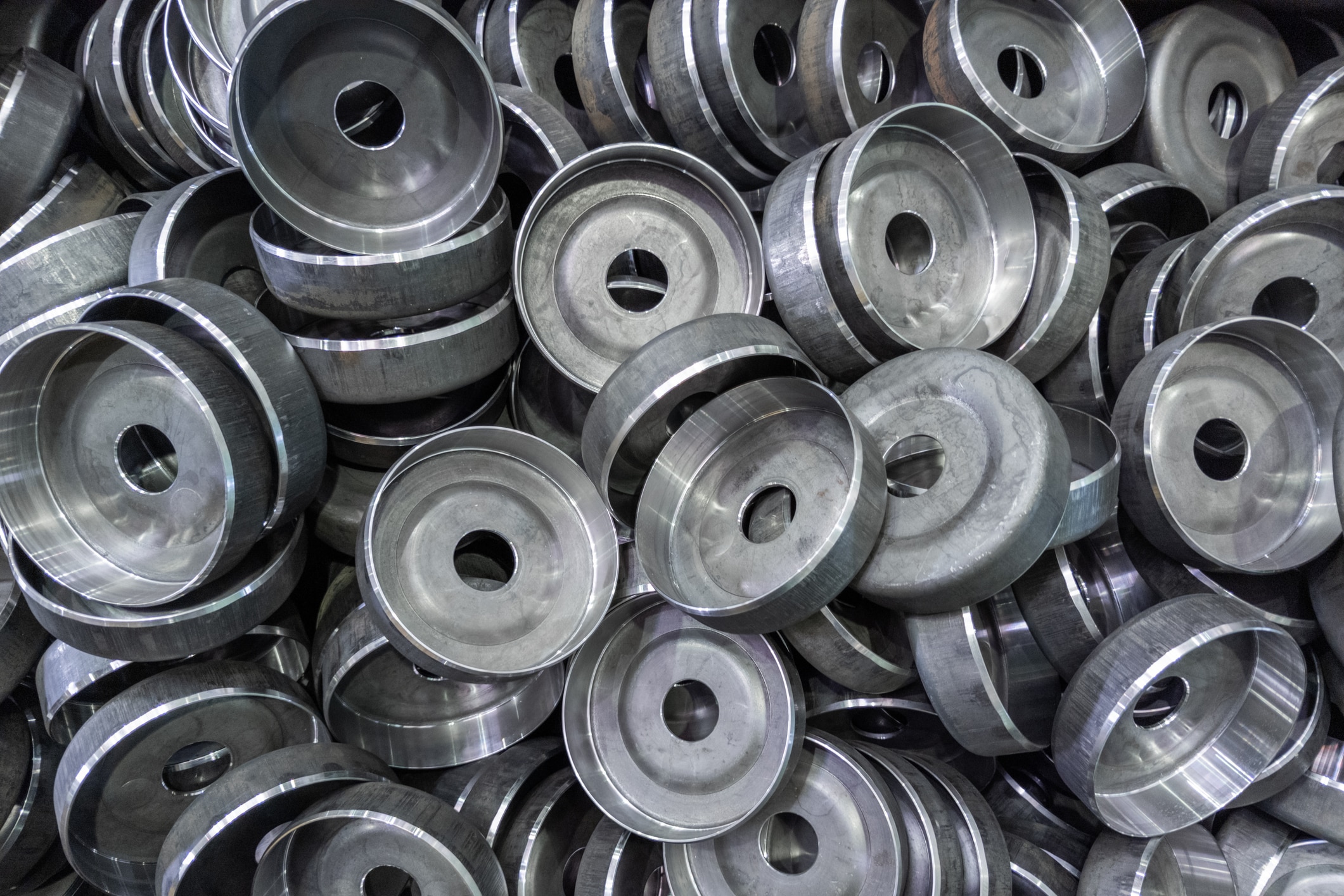
- Machined defense-grade steel components
- Titanium defense components
- 17-4 PH stainless steel
- 4130 / 4140 chromoly steel
- Specialty alloys used in ballistic and armor-grade applications
Why Work with Southwest Metal Treating
Choosing to work with Southwest Metal Treating means that you’ll gain a partner who is dedicated to excellence, reliability, and compliance. As an ITAR-registered heat treating provider, we are equipped to handle sensitive defense components with precision and care. Our cutting-edge techniques enhance the strength, corrosion resistance, and resilience of your defense products, ensuring top performance in challenging environments. Our expert team designs tailored solutions to meet your specific requirements, guaranteeing that your products are truly ready for anything. With competitive pricing, fast turnaround times, and an unwavering commitment to quality, we stand out in the industry. Rely on us to bolster your products and forge ahead in the ever-demanding defense sector.
Request a Quote Today
Strengthen the reliability and performance of your defense manufacturing components with Southwest Metal Treating's specialized services. Request a quote today to explore how our precision-driven solutions can support your operations and drive excellence in your products. Our dedicated team is ready to provide custom solutions tailored to the unique demands of the defense manufacturing sector. Experience unmatched expertise and exceptional service by reaching out to us now.